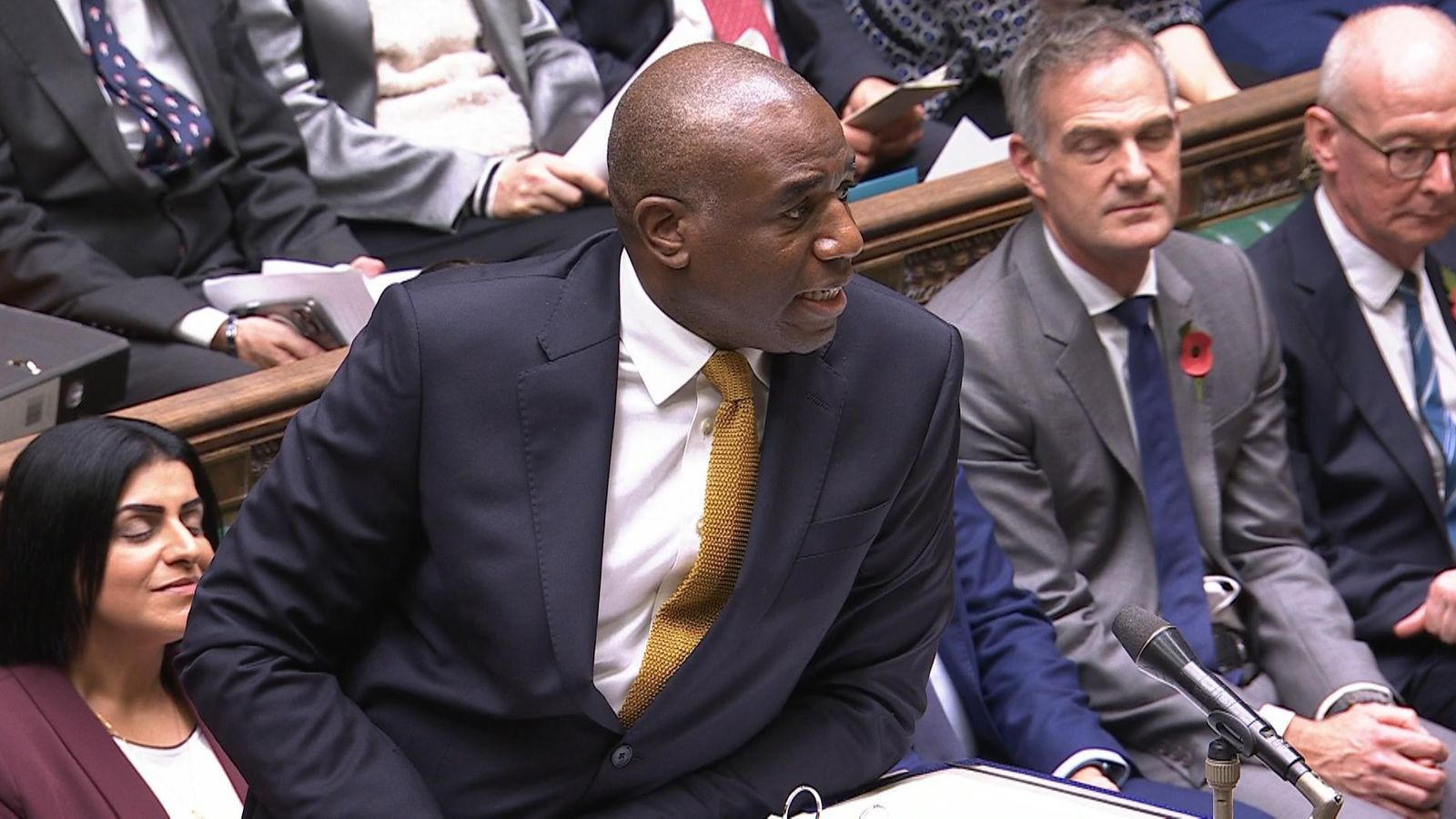
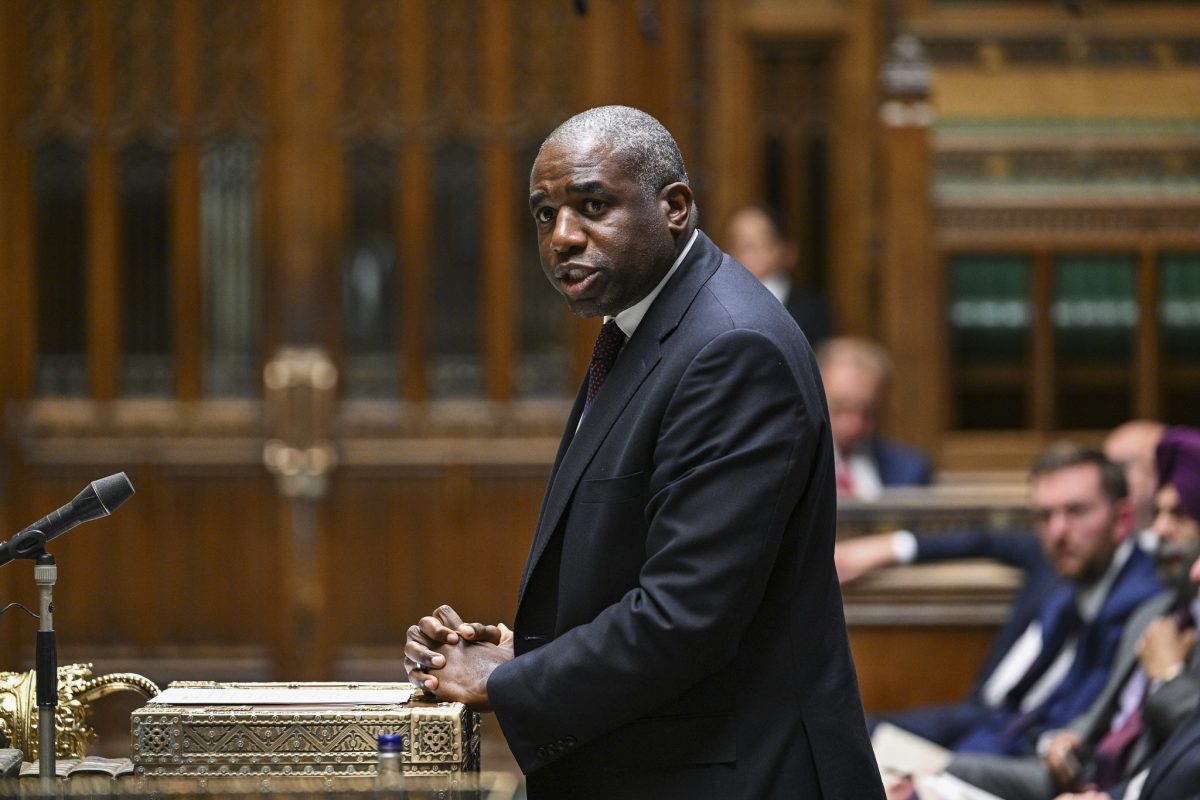
Britain’s political crisis is no longer just about bad policy, weak leadership, or national decline, but about something even more corrosive: millions of citizens no longer believe Parliament behaves like a serious institution worthy of public trust.
That loss of trust matters because democracy does not collapse only when elections disappear, but when people continue voting, continue paying taxes, continue watching proceedings, and gradually conclude the entire performance is no longer meant for them at all.
Nothing captures that problem more clearly than the weekly spectacle of Prime Minister’s Questions, which is supposed to be the great theater of accountability, yet increasingly feels like a contest in evasion, insult, stagecraft, and strategic non-answers.
A question is asked, a line is delivered, the chamber erupts, the Speaker strains for order, and the public watching at home is left with the same unanswered concern that existed before the exchange began, only now wrapped in more noise.
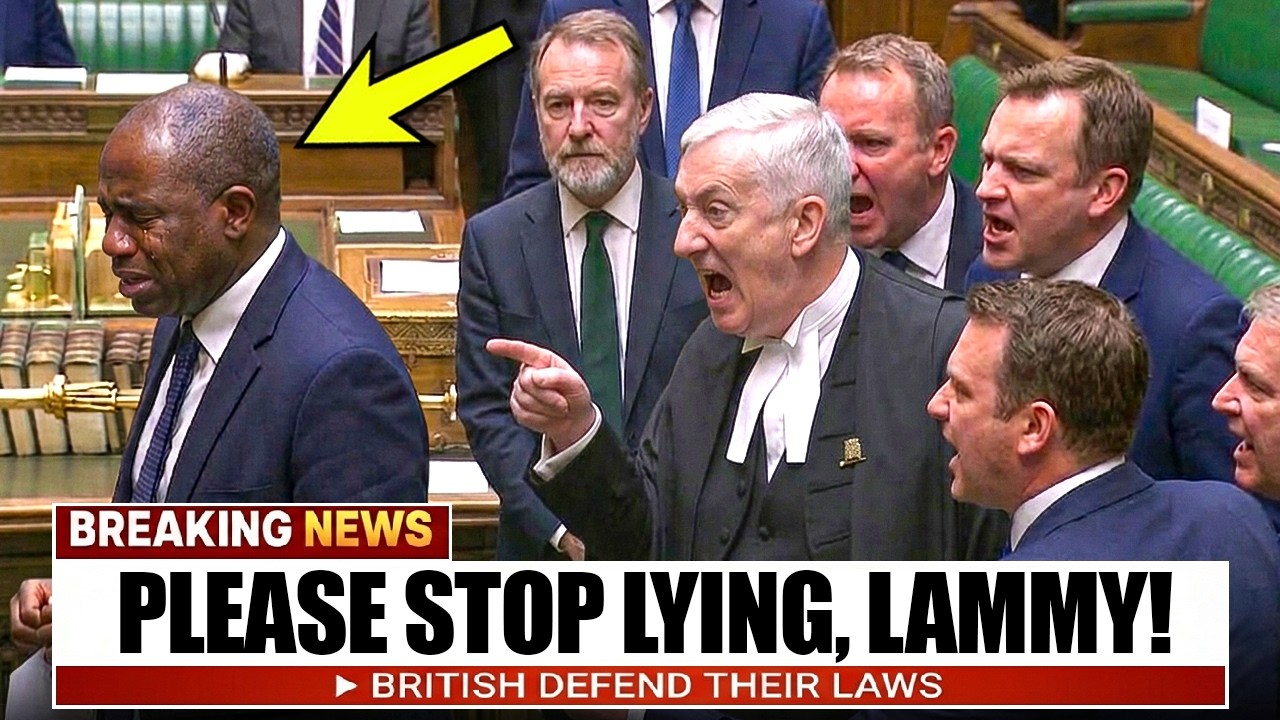
That is not scrutiny in any meaningful democratic sense, and people know it, which is why so many have become not merely frustrated with politics, but emotionally detached from it, as though Westminster were operating in a different country.
The tragedy is that politicians still seem surprised by this apathy, as though they cannot understand why citizens stop caring after years of watching direct questions met with rehearsed attacks, tribal jeering, and point-scoring that serves nobody outside the chamber itself.
What the public sees is not urgency or seriousness, but a political class performing cleverness for one another while the country outside wrestles with real crises that do not disappear because someone landed a sarcastic line across the dispatch box.
That is why even small moments of disorder or childish rhetoric inside the Commons now provoke such anger, because they confirm the suspicion that too many MPs are more interested in humiliating opponents than representing the people who sent them there.
When a member stands up and delivers a barbed insult instead of a contribution, many citizens no longer hear sharp politics; they hear contempt for the chamber itself, contempt for the seriousness of government, and contempt for the people expected to fund it.
This is especially dangerous because the House of Commons is not meant to belong emotionally to the parties, the whips, the government machine, or whichever bench can shout loudest on a Wednesday afternoon.
It belongs, in the democratic sense that matters most, to the public, because its members are sent there as representatives of constituencies, not as performers in a weekly ritual of partisan evasion disguised as national leadership.
That principle should be obvious, yet Britain increasingly behaves as though the Commons is a private battlefield for career politicians rather than the elected chamber through which ordinary people are supposed to see their interests voiced, defended, and examined honestly.
The more that disconnect widens, the more poisonous public cynicism becomes, because once citizens stop seeing Parliament as their chamber, they begin seeing it as a sealed arena where power talks to itself and public consent becomes an afterthought.
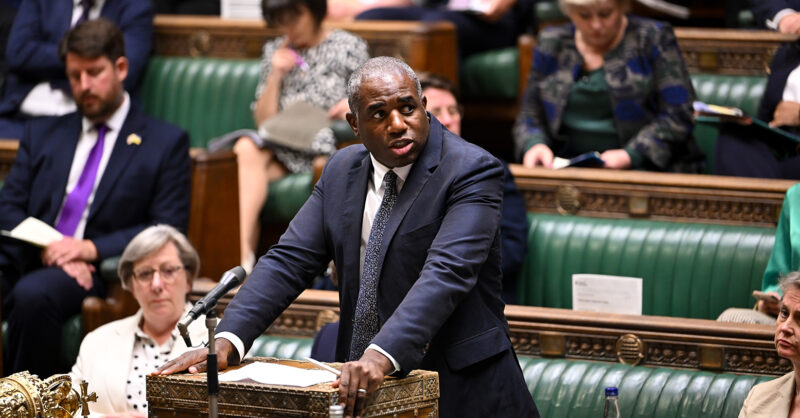
That is one reason voter turnout matters so much beyond raw percentages, because a seat can be won legally and yet still rest on a remarkably thin slice of actual public engagement, leaving many people feeling ruled rather than meaningfully represented.
This is where the legitimacy question sharpens, because if large numbers stay home out of disgust, futility, or alienation, then the formal machinery of democracy may continue operating while its moral foundation quietly weakens underneath.
Politicians rarely like that point being raised, but they should, because elections are not self-justifying ceremonies; they are supposed to renew consent, and consent becomes much thinner when people no longer believe participation will alter the behavior of those elected.
That is exactly what Britain now faces, a democracy still functioning on paper while vast numbers of people feel no living connection to the people, language, or standards operating within its most visible institutions.
Part of the problem is that Parliament too often confuses conflict with effectiveness, as though a noisy chamber must necessarily be a healthy chamber, when in reality noise can just as easily be the camouflage behind which accountability quietly dies.
The public does not need politicians to like one another, nor to abandon ideological disagreement, but it does need them to answer straight questions, behave with some seriousness, and remember that the chamber exists to serve the country rather than themselves.
Instead, what people frequently watch is a closed political culture in which everyone knows the script, everyone knows the dodge, everyone knows the party line, and everyone assumes the audience at home will simply tolerate the same routine again.
That assumption is breaking down, and the Speaker’s occasional frustration with conduct inside the chamber only underscores how much the institution has drifted from its proper purpose, because even internal warnings now sound like symptoms of a deeper decay.
When MPs themselves begin noting how much public anger they are receiving about parliamentary behavior, that should be treated as a constitutional warning light, not as a passing embarrassment to be laughed off until the next session.