Something dangerous is happening in modern political media, and it is not just what is being said on the streets, but how rage is being packaged, branded, and sold to millions as courage, clarity, and common sense.
Across Britain, public frustration over immigration, crime, identity, and cultural change is being turned into a performance economy where the loudest voice wins, the most inflammatory clip spreads fastest, and nuance is treated like weakness instead of wisdom.
What should worry everyone is not only the anger itself, but the industrial machine behind it, because outrage today is no longer a spontaneous reaction, it is a business model engineered for attention, clicks, loyalty, and tribal devotion.
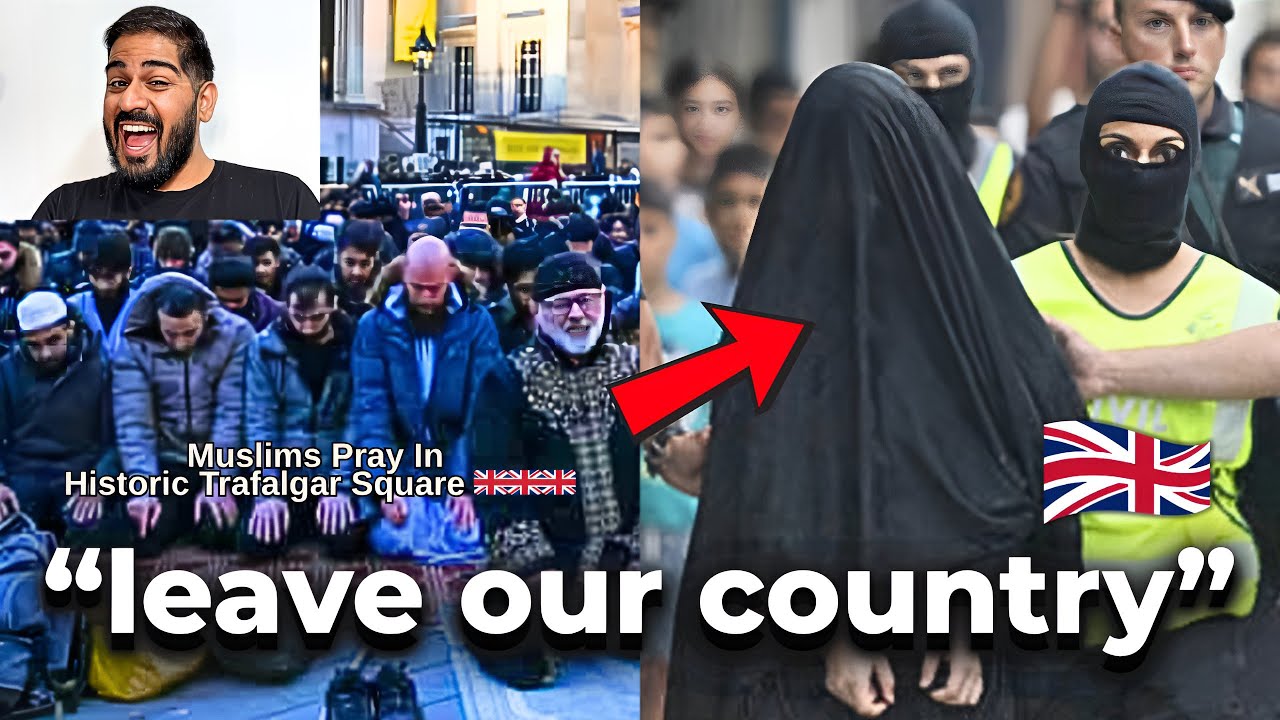
A single charged video, a clipped confrontation, a shouted accusation, or a dramatic street scene can now travel faster than verified facts, shaping public opinion before context even has a chance to enter the room.
This is why so many online commentators are no longer simply reporting events, because they are curating emotional reactions, transforming fear into identity, and turning confusion into a clear enemy their audiences can blame by nightfall.
The result is a digital arena where every incident becomes symbolic, every crowd becomes a threat, every slogan becomes proof of collapse, and every complex social problem gets flattened into a story of invasion, betrayal, and revenge.
That formula works because people everywhere are exhausted, economically pressured, culturally disoriented, politically distrustful, and hungry for someone who sounds decisive, even when that decisiveness is built on exaggeration, selective evidence, and emotional manipulation.
Britain has become especially vulnerable to this style of messaging because its public already feels trapped between elite denial on one side and online hysteria on the other, with very little space left for honest, difficult conversation.
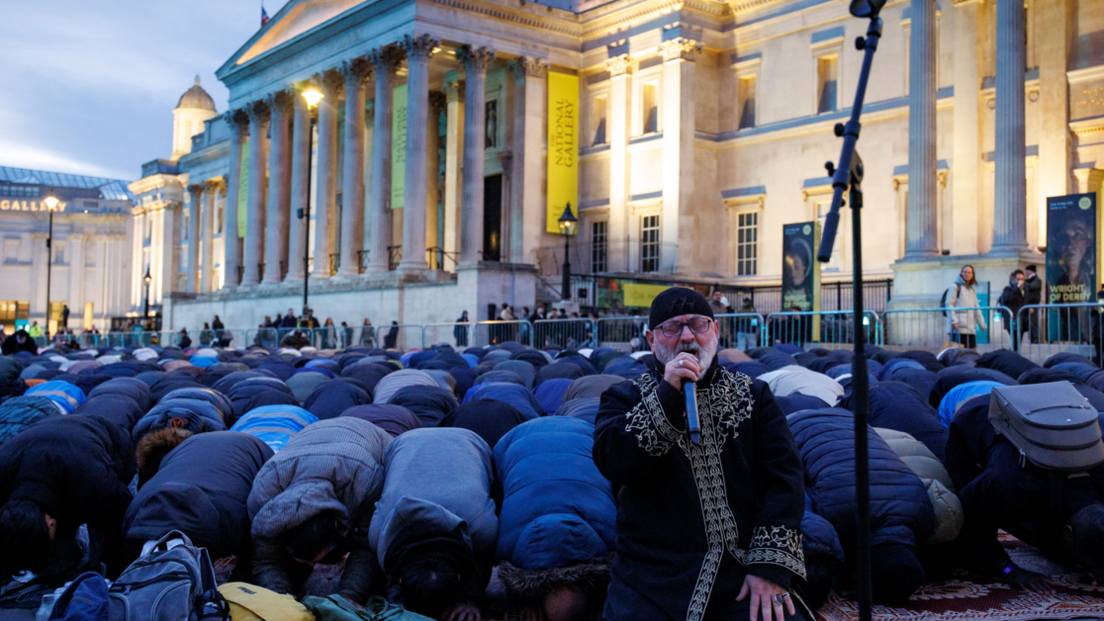
Many citizens do have legitimate concerns about integration, crime, strained public services, social cohesion, and political double standards, yet those concerns are routinely hijacked by personalities who profit more from permanent anger than practical solutions.
That is the real scandal few people want to admit, because outrage influencers often need society to remain broken in the public imagination, otherwise their audiences might stop needing daily doses of fear, indignation, and enemy identification.
Once that cycle begins, public debate becomes less about solving problems and more about maintaining emotional dependence, where every new headline must feel like proof that the nation is slipping away and only extreme language can save it.
In that environment, ordinary viewers slowly stop asking whether a claim is fair, verified, or representative, and instead start asking only whether it feels emotionally satisfying, because emotion now arrives dressed as truth in the algorithmic marketplace.
This is how communities turn against each other while political entrepreneurs keep growing stronger, because fear is easier to monetize than trust, conflict is easier to amplify than complexity, and resentment keeps people scrolling longer than reflection ever will.
The most viral content today rarely rewards patience or balance, and that should alarm anyone who still believes democracy depends on informed citizens rather than digitally manipulated crowds reacting to fragments, symbols, and emotionally loaded narratives.
Social media platforms did not invent public anger, but they have industrialized it, giving every provocation an audience, every grievance a tribe, and every reckless generalization the potential to become a movement before breakfast.
Politicians then step into that fire and face a brutal temptation, because they can either tell hard truths carefully and risk appearing weak, or they can mirror the online mood and be rewarded for sounding tougher than reality.
That temptation is why so many public figures now speak in coded absolutes, hinting at civilizational collapse, cultural replacement, or moral surrender, while carefully leaving enough ambiguity to deny responsibility when the temperature rises too high.
Meanwhile, viewers are pushed to choose between denial and paranoia, as though the only options are pretending nothing is wrong or believing the country stands one viral clip away from irreversible national destruction.

That false choice is poisoning public life, because real societies are never as stable as official slogans suggest, but they are also never as simple or doomed as professional outrage merchants desperately need them to appear.
The deeper danger is psychological, not just political, because constant exposure to fear-saturated commentary changes how people interpret everyday reality, teaching them to see neighbors as signals, demographics as threats, and disagreement as evidence of conspiracy.
Once citizens begin living inside that emotional frame, every public space becomes a battlefield, every institution looks captured, and every exception begins to feel like the rule, even when the underlying evidence is fragmented, anecdotal, or distorted.
This is exactly why controversial media spreads so effectively, because it offers something more intoxicating than information, it offers moral adrenaline, personal belonging, and the thrill of feeling awake while everyone else seems blind, cowardly, or compromised.