A democracy begins to enter dangerous territory when local elections stop feeling like contests of ideas and start feeling like proof that ordinary communities no longer believe the political system reflects their lives, frustrations, or deepest sense of belonging.
That is why bitter reactions to local by-elections now spread so quickly online, because people are no longer only arguing over who won a seat, but over whether elections still reward service, credibility, and lived understanding at all.
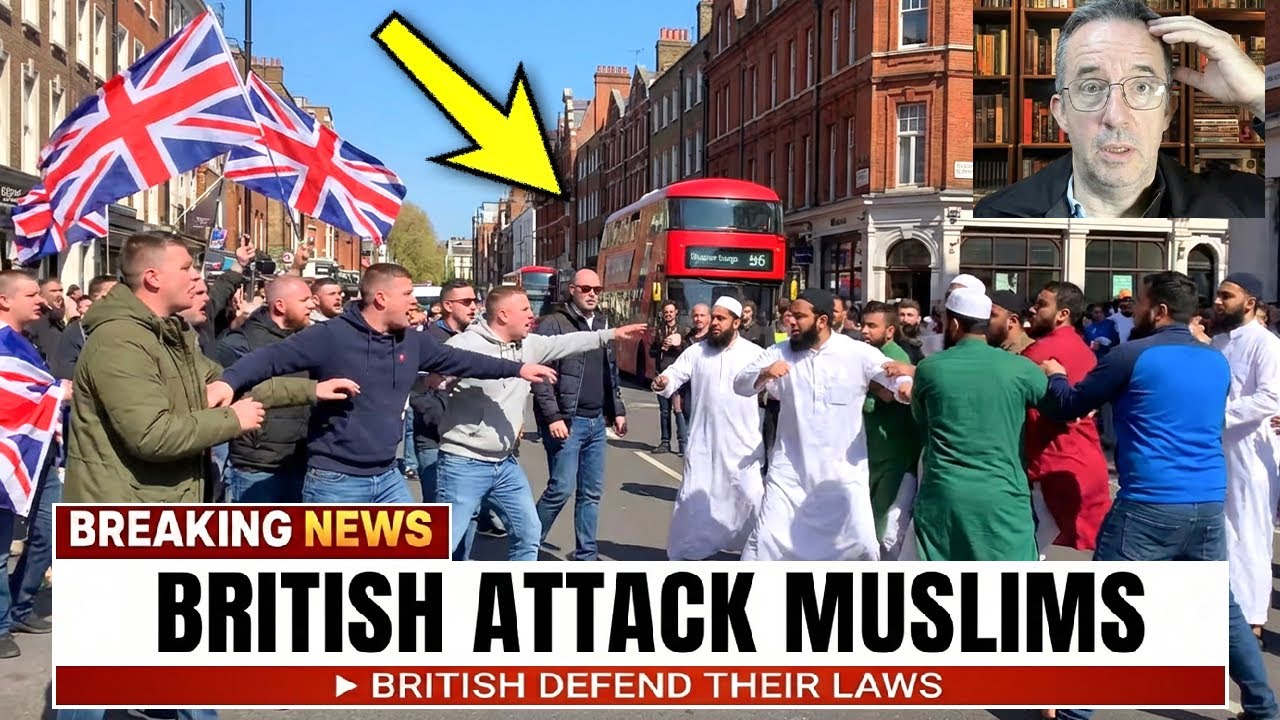
When a locally rooted candidate with visible community work barely registers, while better-funded or better-branded rivals dominate attention, many voters do not see a normal democratic outcome, but another sign that publicity now outweighs substance in public life.
That perception is emotionally explosive because it strikes at the heart of democratic legitimacy, which depends not only on rules being followed, but on citizens believing that meaningful public service still has a genuine path to representation.
Once that belief begins to weaken, every campaign starts looking stage-managed, every outsider starts looking blocked, and every result risks being interpreted not as a choice freely made, but as another episode in a rigged emotional economy of attention.
This is why local contests matter far beyond their official scale, because they often reveal what national politics tries hardest to hide, which is the growing distance between party machinery and the actual texture of local life.
People in towns and cities do not experience politics as abstract ideology.
They experience it through housing pressure.
Through changing high streets.
Through strained services.
Through whether anyone serious seems to know what daily life in their area now feels like.
That is why “parachuted” candidates provoke such resentment, because voters increasingly feel they are being offered polished representatives trained to speak fluently about public values while knowing very little about the communities they hope to inherit politically.
This frustration is not just anti-politician moodiness.
It is tied to something deeper.
Many citizens believe the mainstream parties have converged into a narrow professional class that competes over messaging while leaving the hardest local tensions unresolved year after year.
That convergence has poisoned trust, because when voters hear every party sounding strategically careful, ideologically softened, and terrified of saying anything that breaks central consensus, they stop hearing representation and start hearing managerial uniformity.
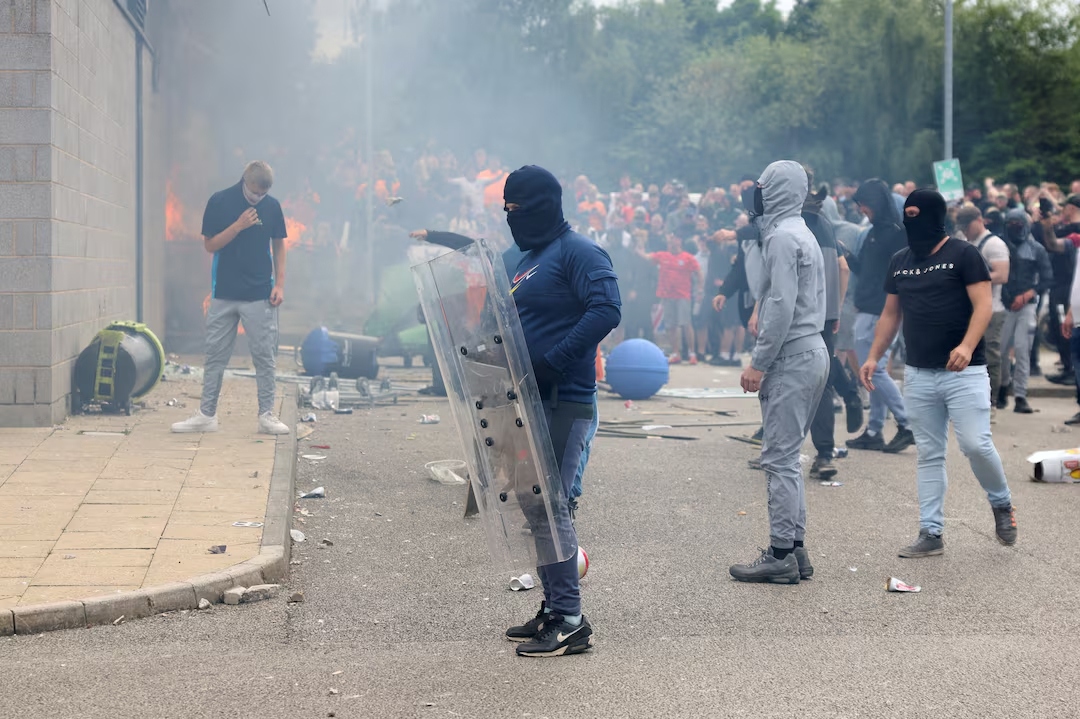
The result is not calm.
It is not moderation.
It is not civic maturity.
It is withdrawal, resentment, and the dangerous feeling that democratic participation changes very little except the branding around power.
That feeling becomes even more volatile when election results are surrounded by allegations, rumors, or observations about improper behavior, even if those claims are not fully adjudicated in public before the anger has already spread.
The political damage is immediate because trust does not wait for a formal ruling.
It responds to atmosphere.
It responds to suspicion.
It responds to the sense that ordinary people are expected to keep faith in a process they increasingly experience as opaque, tribal, and vulnerable to pressure.
Once communities begin to suspect that elections are shaped less by open persuasion than by closed networks, bloc behavior, fear of backlash, or the demographic arithmetic of identity politics, democratic loss hardens into something darker than disappointment.
It becomes alienation.
And alienation is where democratic systems begin to lose their emotional foundation, because citizens no longer feel defeated by ideas, but displaced by structures they no longer trust or recognize as theirs.
That is one reason online political commentary now carries so much emotional force.
It gives voice to a sentiment millions feel but formal politics rarely names directly, which is that many communities believe they are being governed administratively while being heard symbolically, if they are heard at all.
This sentiment is intensified by the collapse of trust in media framing.
When smaller candidates receive little attention, when local tensions are summarized in sanitized language, and when national outlets appear more interested in optics than root causes, distrust multiplies rapidly.
People then turn to independent voices, local footage, activist commentary, and emotionally charged interpretations because they are looking not only for information, but for recognition of what they believe official narratives keep flattening or ignoring.
That search for recognition is powerful, but it is also risky, because once anger migrates fully into parallel information ecosystems, voters often become more convinced they are finally seeing the truth, even when they are also being drawn deeper into escalation.

This is exactly how democratic polarization now intensifies in Britain.
Communities feel unheard.
Media feel distrusted.
Mainstream parties feel interchangeable.
And every local election becomes a symbolic referendum on whether the country still belongs emotionally to the people living in it.
That is a dangerous burden for any by-election to carry, but it is increasingly the burden these contests now bear, because the public is no longer fighting only over candidates.
It is fighting over ownership of the national future and whether anyone in power still speaks with moral seriousness about place, identity, and public consent.
Many voters now believe that politics has become obsessed with message calibration while everyday reality grows harsher, more fragmented, and more difficult to discuss honestly without being instantly pushed into one caricature or another.