Britain is entering a phase of political anger so intense that every new arrest, every new hotel controversy, every new border crossing, and every new violent incident now lands inside a public mood already close to combustion.
What makes the situation so dangerous is not only the pressure of migration itself, but the growing belief that government promises are repeatedly made in strong language, then quietly abandoned once the cameras leave and the public is expected to move on.
Nothing has come to symbolize that failure more sharply than migrant hotels, because to many citizens they are no longer seen as temporary emergency measures, but as monuments to drift, weak enforcement, and a state that cannot close what it says it will close.
That is why every crime story linked in the public mind to asylum accommodation, legal limbo, or undocumented arrivals now detonates so forcefully, because people are no longer reacting only to the crime itself, but to the sense of accumulated betrayal around it.

The political damage lies in repetition, because the public has heard the language of control, compassion, firmness, disruption of gangs, and restored order so many times that each new failure now feels less like an exception and more like the truth finally showing itself.
Once that happens, trust collapses quickly, because a government can survive bad news more easily than it can survive the impression that it has been saying one thing while visibly governing in the opposite direction for months or years.
This is where migrant hotels become far bigger than accommodation policy, because they now stand in the national imagination for a whole cluster of anxieties about borders, crime, fairness, housing, public money, and who the state seems to prioritize when pressure mounts.
Citizens see hotels guarded, funded, serviced, and managed at scale, then look at overstretched policing, packed prisons, weakened local services, and communities already anxious about disorder, and conclude that the government’s priorities have become morally upside down.
That conclusion is politically explosive, whether every individual perception is fully accurate or not, because public anger is not built only from spreadsheets, but from symbolism, repetition, and the emotional power of visible choices made with taxpayer money.
This is why politicians dismissing that anger as ignorance or extremism only make matters worse, because people do not become calmer when they feel patronized; they become more certain that the establishment has no intention of hearing them honestly.
The prison crisis sharpens this anger still further, because there is something uniquely infuriating to the public about hearing that cells are full, sentences are shortened, and dangerous offenders are released early while the wider system still insists everything remains broadly manageable.
That message does not sound realistic to ordinary people, because they are already living with the consequences of visible disorder, slower response times, repeated violent incidents, and the unnerving sense that institutions are now permanently triaging decline rather than reversing it.
The result is a toxic perception that the government has somehow found endless flexibility when dealing with arrivals, accommodation, and legal challenge, yet far less capacity when it comes to the protection, reassurance, and moral priority of citizens already living here.
That perception may not capture every legal detail, but politically it is devastating, because governments are judged not only on process, but on whether their decisions visibly align with the instinctive priorities of the people they claim to represent.
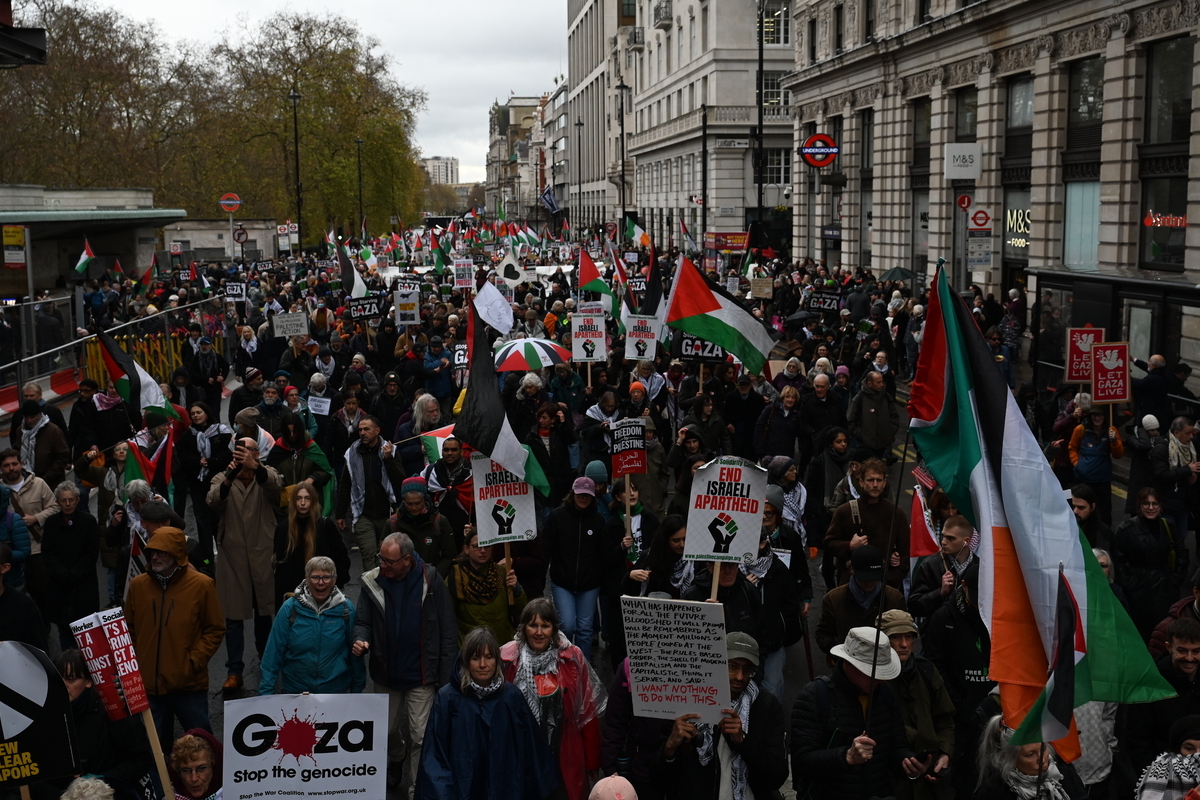
And right now, millions of people clearly feel that alignment has broken down, which is why every protest outside a hotel, every clash with police, and every online eruption draws support far wider than the political class seems willing to acknowledge.
The key mistake made by leadership is to assume that anger can be contained through messaging alone, as though another statement condemning disorder or another promise to get tougher will somehow erase the longer memory of visible drift.
It will not, because the public has moved beyond slogan response mode, and many citizens now judge every official remark against a simple test: does the country on the screen and in the street look like the country the government keeps describing.
Too often, the answer is obviously no, and that mismatch is one of the most destabilizing forces in modern Britain, because once reality and rhetoric drift too far apart, even truthful statements start sounding like fiction.
This is especially true on crime, where public patience is thinest, because people can accept that some risks are unavoidable, but they will not calmly accept a system that appears unable to decide who should be detained, who should be removed, and who should never have been left in limbo.
That uncertainty fuels anger not only toward ministers, but toward the wider machinery of the state, including the Home Office, policing, the courts, and the bureaucracy around asylum, detention, appeals, accommodation, and enforcement that now looks overloaded and under-credible.
Once the machinery itself loses credibility, every new incident becomes nationalized instantly, because it is no longer one suspect, one case, or one hotel; it is evidence, in the public imagination, that the state has lost its grip on sequence, priority, and consequence.
That is why demonstrations around hotels now carry so much symbolic weight, because participants do not see themselves merely as objecting to one building or one local decision, but as acting out a broader national frustration with the system’s visible failure to draw firm lines.
The danger, of course, is that this anger can easily harden into indiscriminate hostility, scapegoating, or collective blame, which would be morally wrong and politically disastrous, because it would turn a crisis of governance into a crisis of social hatred.