A country can investigate criminal networks honestly, prosecute offenders aggressively, and confront patterns of institutional avoidance without demonizing whole communities, and that distinction is essential if justice is to be both fearless and legitimate.
Britain has often struggled to hold that line, with one side softening everything into bureaucratic vagueness and the other exploiting outrage in ways that inflame public hatred without necessarily improving child safety or systemic reform.
Caught between those failures are the victims, who have already paid the highest price and now watch adults turn their suffering into either public relations management or ideological ammunition, neither of which amounts to justice.
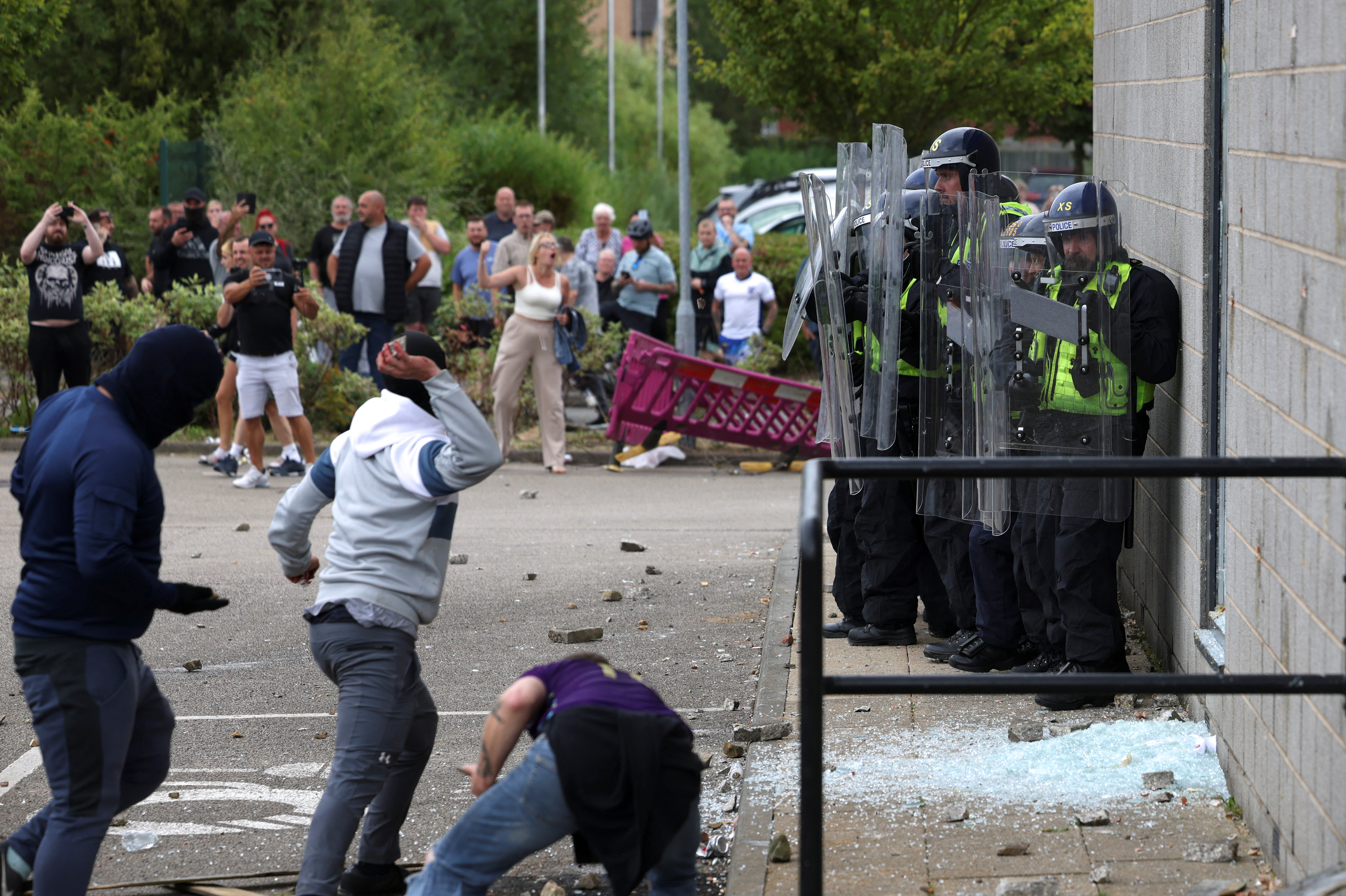
The public senses this, which is why the anger remains so raw, because people are not only horrified by what happened, but disgusted by the possibility that the lessons are still not being learned with anything like the necessary seriousness.
If ministers, police chiefs, local authorities, and prosecutors want to restore trust, they must begin with an uncomfortable truth: this scandal grew not only because criminals were ruthless, but because institutions were weak, evasive, and afraid of consequences.
That fear may have taken different forms in different places, including fear of reputational fallout, fear of getting facts wrong, fear of political controversy, or fear of appearing discriminatory, but fear in office is still failure when children pay the cost.
And children did pay the cost, repeatedly, brutally, and in some cases permanently, which is why this issue should never be treated as a talking point to be activated only when it becomes electorally useful for one side or another.
It should be treated as a national emergency in safeguarding culture, one that requires permanent seriousness, full transparency, victim-centered policing, rapid prosecution, and a clear refusal to allow institutional self-protection to outrank child protection ever again.
That also means abandoning the old habits of fragmented responsibility, where every agency points elsewhere, every review arrives years late, and every apology sounds as though it has been filtered through lawyers before it reaches the public.
People are sick of that cycle, because apologies without visible reform feel like insult layered over injury, especially when the same neighborhoods, the same patterns, and the same public anxieties continue to produce headlines no decent country should tolerate.
Women and girls now carry a burden of fear far heavier than ministers seem willing to acknowledge, and when families begin shaping daily life around that fear, the scandal is no longer in the past, but actively reshaping the present.
Mothers warn daughters about routes home, transport hubs, isolated streets, parties, late shifts, and school journeys because confidence in official protection has weakened, and once that confidence weakens, the social cost spreads far beyond the original crimes.
That cost includes trust in police, trust in courts, trust in councils, and trust in the political class itself, because every unresolved scandal involving vulnerable children teaches the public that the rhetoric of safety is easier than its delivery.
This is where leadership should matter most, yet leadership in Britain too often appears after the damage, delivering managed outrage only once exposure becomes unavoidable, instead of building systems strong enough to intervene before lives are shattered.