What is missing is a language of confident citizenship, one that says political office is open to all who are loyal to the country’s constitutional and civic order, but that representation is not an end in itself unless it strengthens national trust.
Without that language, every speech, every clip, every community mobilization, and every symbolic appointment will keep being interpreted through the darkest possible lens, because the public no longer trusts the political class to explain what it is trying to build.
This is why frustration keeps deepening, because citizens increasingly believe that politics is happening to them, not through them, and that important shifts in power, culture, and public language have arrived through drift rather than democratic honesty.
That sense of drift is toxic, because democracies can withstand disagreement, but they struggle badly when large numbers of people feel unrepresented not just by party platforms, but by the entire moral tone and cultural instincts of governing institutions.
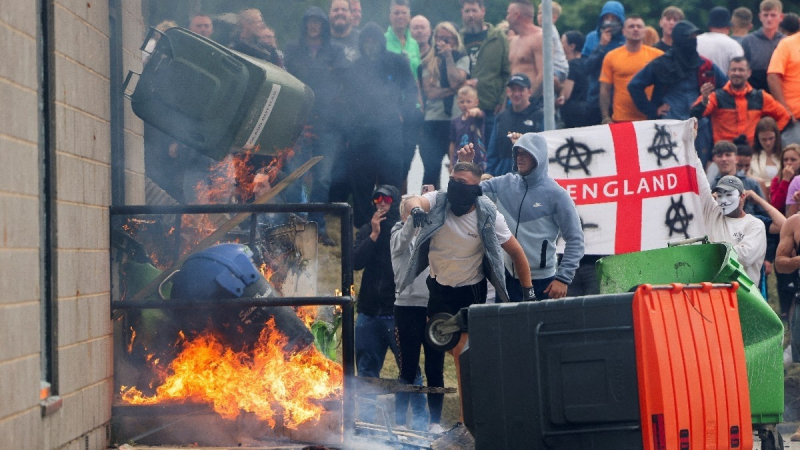
If Britain wants to cool this anger, it must stop treating every concern about representation as either taboo or tribalism, and start rebuilding a shared language of citizenship, duty, integration, and constitutional confidence that ordinary people can still recognize as their own.
It must also stop flattering itself that public patience is endless, because patience runs out when citizens think their country is being reshaped by leaders who celebrate every new symbolic shift while offering no serious account of the nation still being preserved.
That is the question now hanging over Britain more heavily than any talking point from Westminster: who speaks for the country as a whole, and who still believes that the whole is something worth naming, defending, and passing on intact.
If that question remains unanswered, the backlash will keep growing, not because the public is uniquely intolerant, but because people without a recognized national center eventually stop trusting those who govern them and start reaching for far more confrontational alternatives.
And once a democracy enters that phase, every careless word about identity, every boast about group representation, and every evasive answer from the political class becomes another spark in a country already dry enough to burn.