Britain is entering a political moment defined less by policy detail than by a deepening crisis of recognition, because more and more citizens feel the people governing the country no longer speak in ways that reflect its history, instincts, or anxieties.
That is why arguments about representation are becoming so explosive, because they are no longer heard as technical debates about diversity or inclusion, but as emotional arguments about loyalty, legitimacy, and who power is really being exercised for.
For many voters, the issue is not whether people from different backgrounds can serve the country, because of course they can, but whether politics now talks about identity in a way that feels transactional rather than genuinely national.
That distinction matters, because once leaders begin celebrating representation primarily through religious, ethnic, or demographic categories, many citizens stop hearing unity and start hearing a political class dividing the country into interest blocs competing for institutional favor.
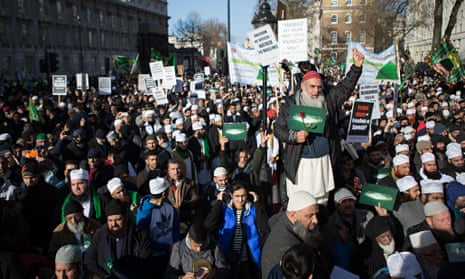
This is where distrust begins to harden, because a Parliament that speaks the language of sectional recognition more fluently than the language of shared national purpose quickly starts to look disconnected from the people it claims to represent.
The anger grows even sharper when public figures appear to speak of solidarity, mobilization, or political takeover in ways that, even if defended as rhetorical or taken partly out of context, sound to ordinary listeners like the language of organized pressure.
People may debate intention endlessly, but politics is not judged only by intention; it is judged by how words land, what they signal, and whether they reassure a nervous public or deepen the sense that power is becoming culturally alien.
That is why clips, speeches, and fragments of public remarks now spread so quickly, because they tap into a far bigger public fear that Britain’s institutions are no longer neutral forums of representation, but arenas for increasingly assertive group-based politics.
That fear may sometimes be exaggerated, but it is undeniably real, and dismissing it automatically as ignorance only makes it stronger, because people do not become calmer when their concerns are mocked; they become harder, angrier, and more politically combustible.
This is especially true in parts of the country where rapid demographic change, declining trust in institutions, and weak local leadership have combined to make many residents feel that political power is moving socially faster than democratic consent can comfortably absorb.
The result is a nation asking an old question in a newly volatile form: what is representation actually for, and is it supposed to mirror the country as a shared political whole or merely reward whichever identities are most visible and organized?
A stable democracy should be able to answer that clearly by saying representation exists to serve the common good, uphold equal citizenship, and strengthen national cohesion, not to intensify difference or convert Parliament into a scoreboard of demographic advancement.
Yet Britain increasingly seems unable to speak with that kind of civic confidence, and that failure is opening space for much harsher voices who argue that mainstream politics has already surrendered the language of nationhood, continuity, and constitutional seriousness.