Britain’s governing class has a remarkable talent for demanding sacrifice from everyone else while proving, time and again, that it cannot manage even its own house with basic competence, discipline, or the kind of planning any serious business would consider mandatory.
Nothing illustrates that better than the crumbling state of Parliament itself, because the Palace of Westminster is no longer just a historic building in decline, but a perfect symbol of a political system decaying physically and administratively at the same time.
Leaking roofs, failing infrastructure, asbestos risks, obsolete systems, scaffolding, fire patrols, and endless warnings do not merely describe a maintenance problem, but a much wider institutional failure in which obvious dangers are acknowledged while decisive action remains endlessly deferred.
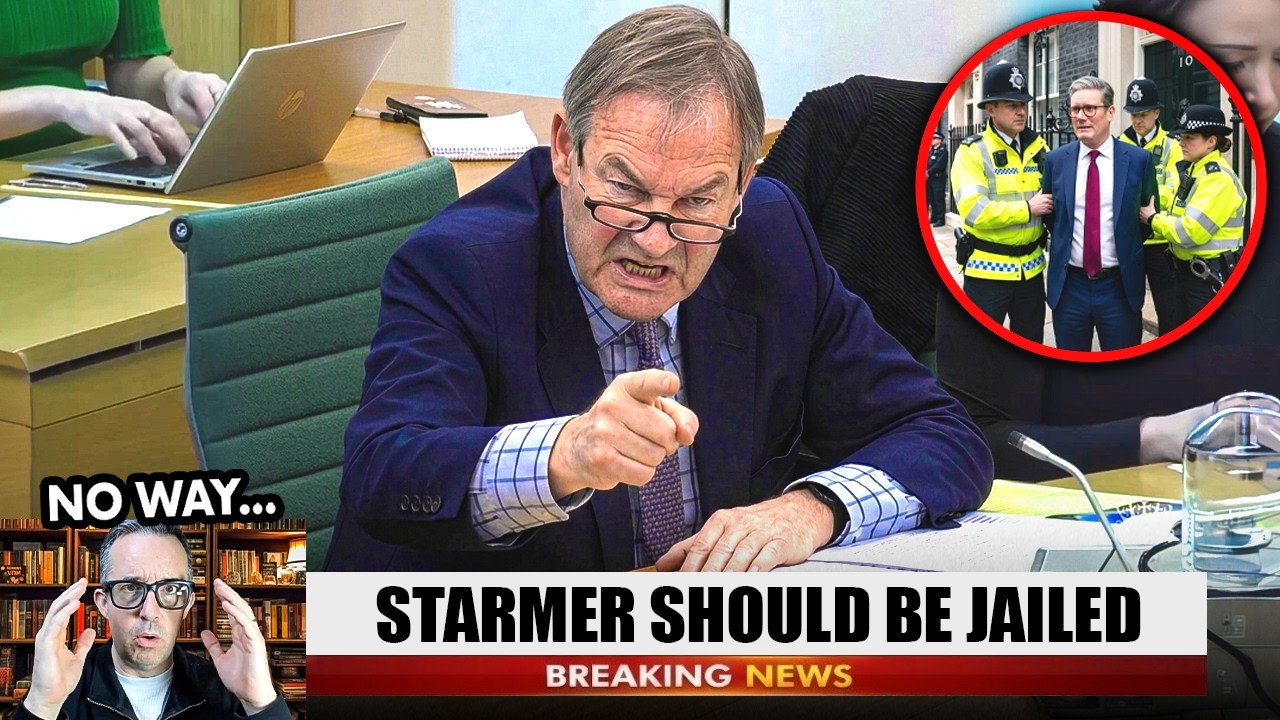
That pattern should feel familiar to anyone watching modern British politics, because the same class that cannot answer a direct question in the chamber also seems unable to define, scope, and execute a major national project without drowning it in committees.
This is where public anger starts to intensify, because citizens do not only see a restoration challenge; they see a governing culture that turns every practical task into an ocean of consultations, boards, panels, oversight layers, revised frameworks, and professional fog.
The ordinary taxpayer hears all that language and reaches a brutally simple conclusion: nobody in charge seems fully certain what they want, nobody can state clearly what success looks like, and everyone involved still expects the public to pay for the confusion.
That is why moments of blunt questioning hit so hard, because they expose something Britain’s official culture works very hard to conceal, namely that much of the system survives not through excellence, but through elaborate management of uncertainty.
Ask a simple business question such as what exactly are you trying to achieve, when are you trying to achieve it, and what will it cost, and suddenly the room starts sounding less like leadership and more like administration improvising under polite pressure.
This matters because building projects do not collapse only through corruption or malice, but through vagueness, changing objectives, weak leadership structures, and the fatal refusal to lock down scope before money, time, and public patience begin bleeding out.
Any competent private sector operator understands this instinctively, because projects live or die on clarity of design, control of variation, defined accountability, and the ruthless understanding that every changed mind downstream multiplies cost and delay upstream.
Yet Westminster often behaves as though these are novel insights rather than the most basic rules of project delivery, which is precisely why public trust is so low whenever politicians and officials start speaking grandly about major renewals or strategic transformation.

People have heard the language before, and they know where it usually leads: a swelling headcount of decision-makers, a shrinking level of clarity, and a final bill so grotesque that nobody can even describe where the original ambition ended.
The restoration of Parliament should have been treated as a hard-nosed test of national seriousness, a chance to show that the state can still plan intelligently, protect heritage, respect taxpayers, and deliver something difficult without turning it into a generational fiasco.
Instead, to many observers, it increasingly looks like another case study in why the public has lost confidence in elite project management, because even at the stage of defining purpose, too much still appears soft, fluid, and disturbingly unresolved.
That is what makes the questioning around this scandal so effective, because it cuts through decorative language and forces officials to confront the simplest possible problem: how can anyone approve, defend, or sell a project when the end state remains so unclearly defined?
What are MPs and peers actually being asked to choose, and how can taxpayers be expected to tolerate staggering projected costs when the people briefing them still sound uncertain about design discipline, office demand, staffing assumptions, and operational scope?
These are not hostile or unfair questions, but precisely the questions that should have been answered before billions of pounds entered the realm of public expectation, because uncertainty at the start of a project becomes disaster by the middle of it.
And disaster is exactly what people fear, because Britain has become accustomed to state-led undertakings that absorb money, grow bureaucratically, mutate politically, and then emerge years later as monuments not to public service, but to institutional drift.
That fear is magnified in Westminster because the symbolism is unbearable, with citizens watching the very institution that taxes them, regulates them, lectures them, and scrutinizes everyone else struggle to demonstrate elementary competence over the repair of its own workplace.
If Parliament cannot govern a building without sinking into strategic fog, people naturally wonder how it imagines itself qualified to oversee vastly more complex national systems involving transport, energy, policing, planning, health, and economic growth.
This is where the restoration scandal becomes much bigger than heritage or maintenance, because it turns into a referendum on whether Britain’s governing apparatus still retains the habits of disciplined execution or has simply become addicted to managing process indefinitely.
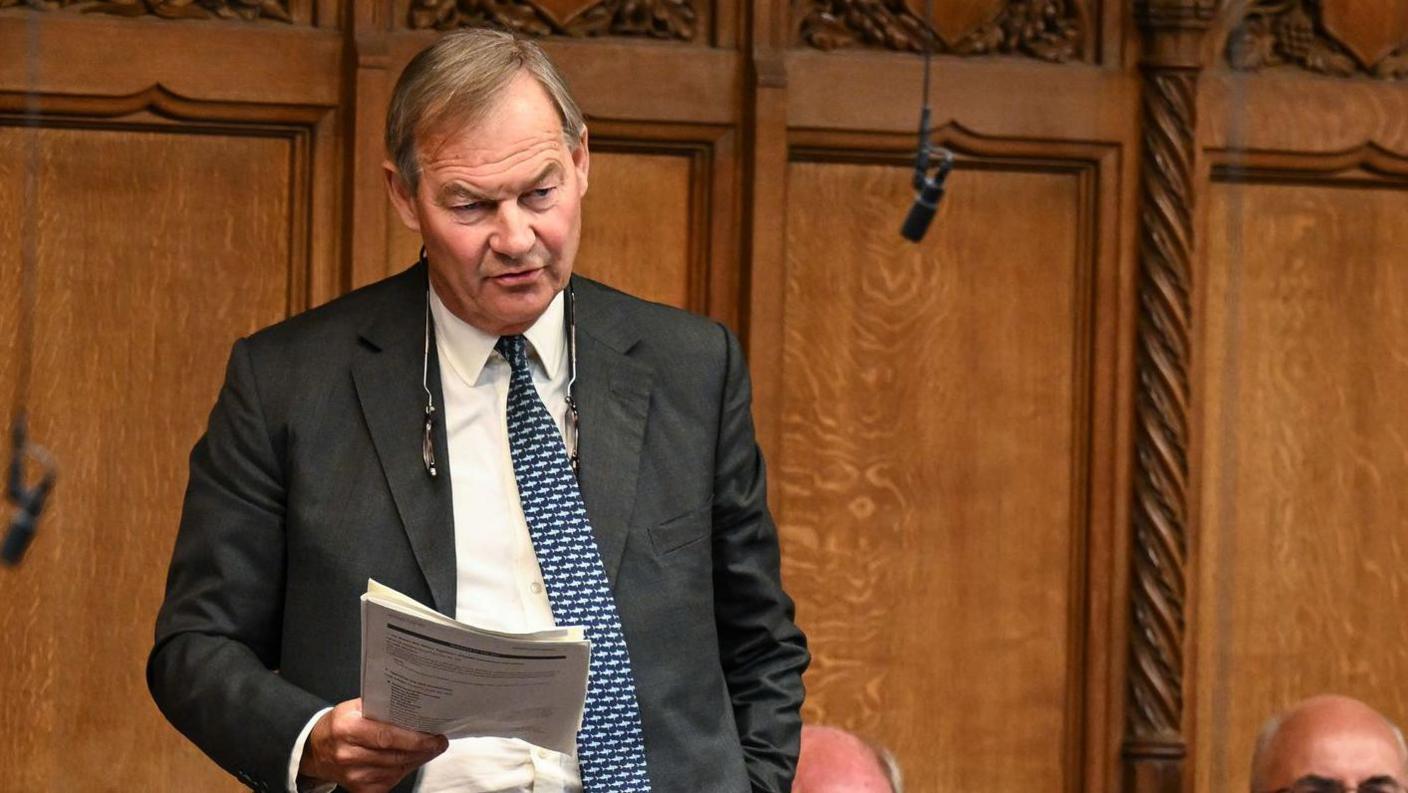
The obsession with boards, panels, and advisory layers is especially revealing, because every extra structure is supposed to create assurance, yet often ends up diluting ownership until nobody is ever directly answerable for failure in a way the public can clearly see.