Britain is no longer just arguing about immigration, crime, or national identity, because it is now fighting over something even more explosive, which is who gets to define reality before the public has time to think.
That is why videos built on panic, confrontation, and dramatic collapse language now spread so fast online, because they do not merely describe social tension, they transform it into emotional spectacle designed for maximum outrage and instant loyalty.
In this ecosystem, facts rarely arrive alone, because they are packaged inside fear, sharpened by resentment, and delivered through a tone that makes every incident feel like the final proof that the nation is breaking beyond repair.
The formula is brutally effective because it feeds on public exhaustion, political distrust, economic frustration, cultural anxiety, and the growing suspicion that ordinary citizens are being lied to by institutions that no longer speak honestly.
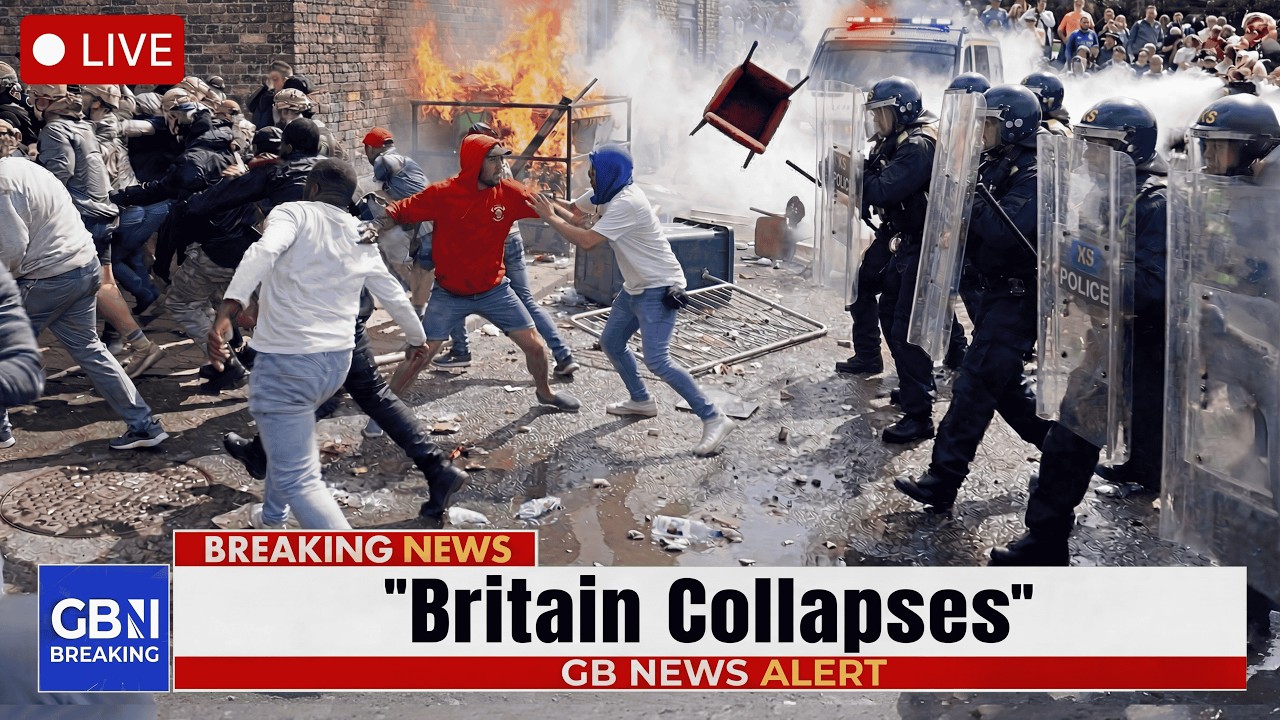
Many people in Britain do have real concerns about border control, asylum policy, housing pressure, policing, social trust, and integration, and dismissing all those concerns as prejudice has only made public anger burn hotter.
But there is another truth that deserves equal attention, and it is this, legitimate concerns are increasingly being weaponized by a rage economy that profits more from emotional escalation than from serious problem-solving.
That is the central tension now poisoning democratic debate, because one side often refuses to speak clearly about public unease, while the other side often monetizes that unease by turning every fear into an apocalyptic narrative.
Once that cycle takes hold, the public is pushed into a trap where moderation looks weak, evidence looks suspicious, and anyone who asks for context is treated as either naive, dishonest, or secretly complicit in national decline.
This is how viral politics changes the emotional structure of a country, because it no longer asks citizens to weigh information carefully, but trains them instead to react instantly to symbols, fragments, chants, clips, and slogans.
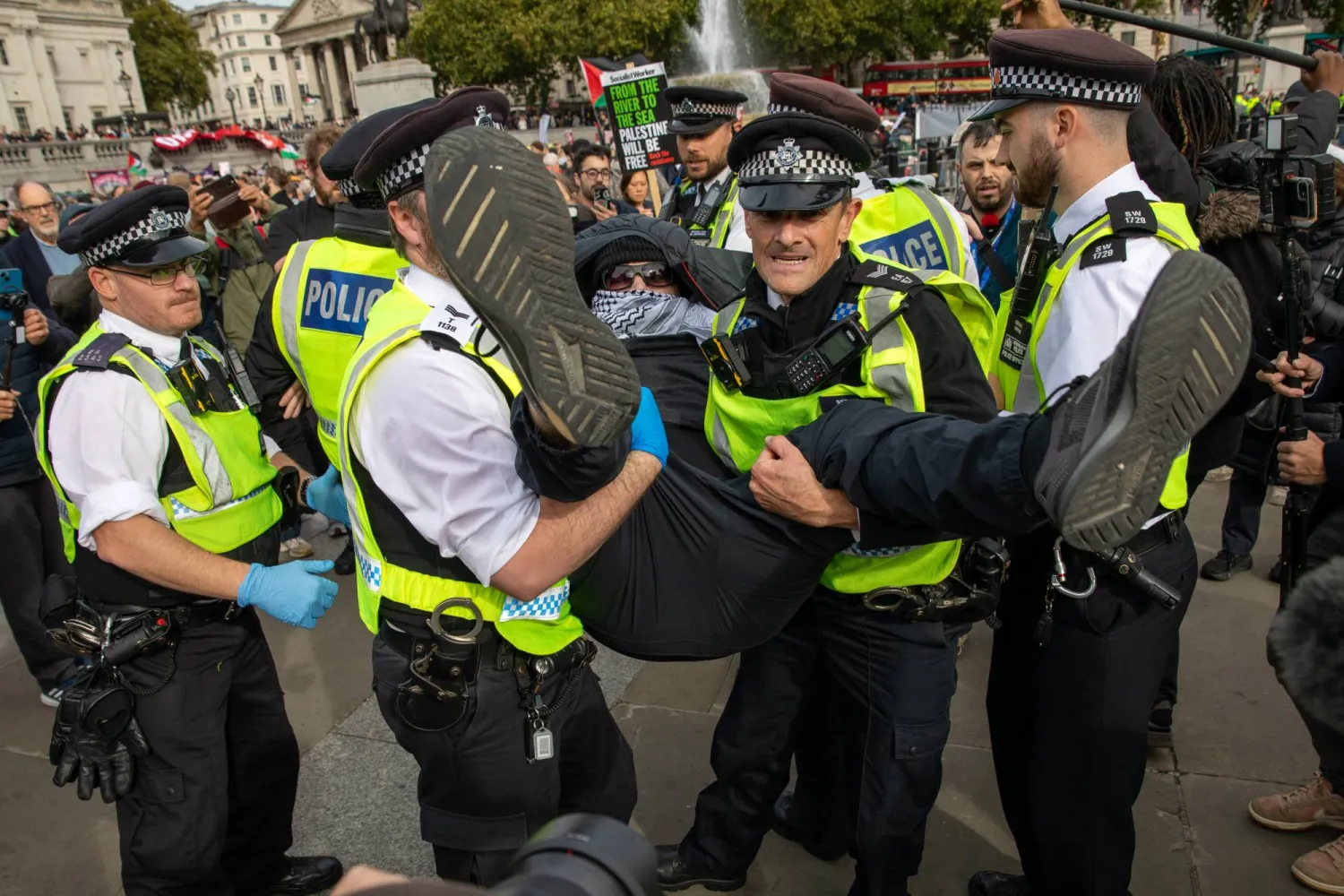
A hotel becomes more than a building.
A protest becomes more than a protest.
A crime becomes more than a crime.
Every image becomes a political weapon in a battle over who belongs, who is protected, and who is supposedly being sacrificed.
That transformation is why inflammatory commentary performs so well on social media, because it offers audiences something deeper than information, which is the intoxicating feeling of moral clarity in a confused and unstable age.
People share these narratives not only because they believe them, but because reposting them becomes a declaration of identity, frustration, defiance, and belonging in a society that feels increasingly fragmented and emotionally exhausted.
The danger is that outrage content rarely encourages the public to separate policy failure from collective blame, which means anger at institutions can quickly slide into suspicion of entire communities, especially when algorithms reward simplification over truth.
That is where the debate becomes combustible, because the more public trust collapses, the easier it becomes for online personalities to present themselves not as commentators, but as the only people brave enough to tell the truth.
Yet what many of them are really selling is not clarity, but emotional dependency, because their audiences return every day for the same mix of grievance, alarm, humiliation, and righteous fury that keeps attention locked and engagement soaring.
This is not an accident.
It is a system.
And that system thrives whenever politics is stripped of complexity and rebuilt as a permanent state of emergency where compromise sounds weak and escalation feels like courage.
Britain is especially vulnerable to this trend because immigration has become a symbol onto which broader anxieties are projected, including fears about class decline, loss of cohesion, unequal policing, elite hypocrisy, and national identity itself.
That is why even unrelated crises can become attached to migration narratives online, because once fear hardens into worldview, every breakdown in public order starts to look like confirmation of one giant national betrayal.
At that point, distinctions begin to disappear.
A policymaker becomes a traitor.
A protester becomes a patriot.
A journalist becomes a propagandist.
And a complicated social crisis gets flattened into one emotionally satisfying story with heroes, enemies, and no room for uncertainty.
That flattening is exactly what makes this content so viral, because uncertainty does not trend as well as certainty, and anger spreads much faster when the audience is told not merely that something is failing, but that someone is deliberately destroying their country.

The emotional charge becomes even stronger when commentators frame themselves as speaking for “ordinary people” against a detached ruling class, because that narrative turns every disagreement into proof that elites hate, mock, or fear the public itself.
Once audiences accept that framework, trust becomes almost impossible to rebuild, because any official statistic, correction, or nuance is immediately interpreted as manipulation by a broken establishment desperate to hide the truth.