A growing sense of national unease is hardening across Britain as more people begin to believe that what is happening on the Channel coast is no longer being treated as an emergency, but as a grim new normal.
That feeling is not coming from one headline alone, or one politician, or one viral clip online.
It is building from repetition, from daily arrivals, from official vagueness, and from the widening belief that the country is being asked to absorb a crisis without ever being allowed to speak plainly about it.
For many voters, the central question is brutally simple.
Who is entering the country, where have they come from, what are their intentions, and why does the system still seem so unable to provide timely, convincing answers to questions any ordinary nation should be asking first.
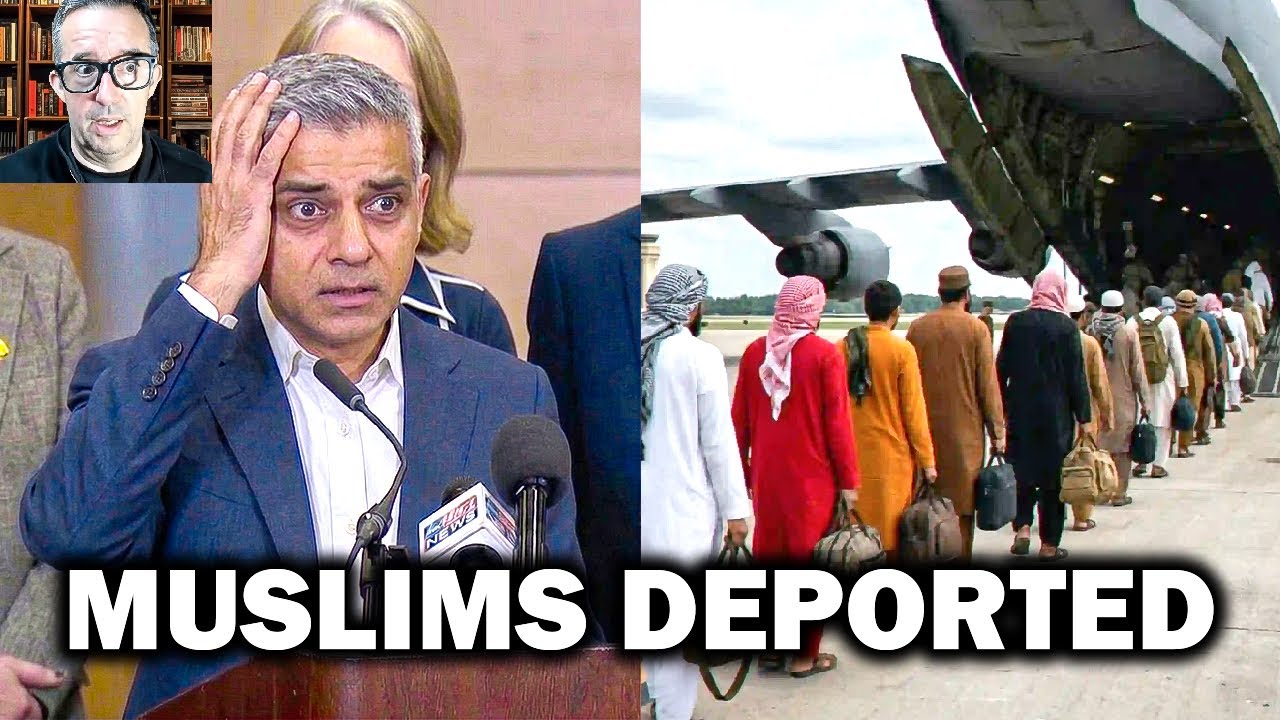
That is why footage from the coast keeps striking such a nerve.
It is no longer just about the number of crossings, but about the symbolism of a border that looks porous, a state that looks reactive, and a political class that too often sounds more defensive than decisive.
When people see calm weather, boats arriving, and officials repeating the same carefully managed formulas, they do not hear control.
They hear drift.
And drift is one of the fastest ways to destroy trust in a government already struggling to reassure the public on security, housing, and basic state competence.
This is where the media question becomes explosive.
Because a growing number of people now believe the issue is covered unevenly, highlighted when politically useful, softened when inconvenient, and too often framed in language designed to reduce urgency rather than reflect it.
That perception may be contested, but politically it is devastating.
Once the public begins to suspect that major outlets are selecting when a border surge is news and when it is simply to be absorbed into the background, the credibility of the entire information system starts to weaken.
The result is a dangerous loop.
Official media loses trust, alternative media gains traction, outrage accelerates online, and every new story becomes proof not only of policy failure but of narrative management by institutions many citizens no longer believe.
That is exactly why remarks from politicians who speak in harder, simpler terms now carry so much force.
Whether one agrees with them or not, they sound emotionally aligned with public frustration in a way many establishment figures no longer do.
For supporters, that directness feels like honesty after years of evasion.
For critics, it feels like opportunism that risks escalating anger without offering a lawful, workable route out of the crisis.
But either way, it is reshaping the political debate.

The issue also widens the moment people ask what happens after arrival.
Once individuals enter, the public wants to know how claims are processed, how identity is verified, how risk is assessed, and what happens when people have no lawful basis to remain but are still not removed quickly.
Those questions matter because border failure does not remain a border story for long.
It spills into housing, welfare, policing, court capacity, public confidence, and the wider feeling that the system has become too overloaded to act clearly, even when the public demand for action is obvious.
That is where the anger deepens.
Not simply because people object to illegal entry in principle, but because they see a wider state already under pressure and conclude that yet another area of national life is being managed through improvisation rather than control.
The danger in this atmosphere is that real concerns can easily become wrapped in broader hostility, sweeping accusation, and rhetoric that blurs the line between policy failure and collective blame.
That is a line Britain cannot afford to cross.
But neither can it afford to ignore the underlying pressure.
Because public concern about crossings, identity checks, enforcement, accommodation, and removal is not disappearing.
It is hardening, spreading, and increasingly linking itself to wider frustrations about fairness and political accountability.
This is why the border issue now feels bigger than immigration policy alone.
It has become a test of whether Britain still has a government capable of enforcing rules visibly, explaining decisions honestly, and proving to the public that consequences still exist.
Nothing undermines trust faster than a state that sounds procedural while the public mood sounds urgent.
When citizens feel they are living with the consequences of failure in real time, technical language about process and balancing frameworks quickly begins to sound like avoidance.
That is the trap ministers now face.
If they continue offering reassurances unsupported by visible control, they will keep losing the emotional argument even when they retain bureaucratic language and formal legal cover.
The public, meanwhile, is no longer just asking whether the system is compassionate.
It is asking whether the system is serious.
And that is a much harder question to answer when boats keep arriving and confidence keeps draining away.
This is also why wider arguments about crime, exploitation, and institutional cowardice become attached to the border debate so easily.
Once citizens believe major problems have been ignored in the past for political convenience, they become far less willing to trust official calm in the present.
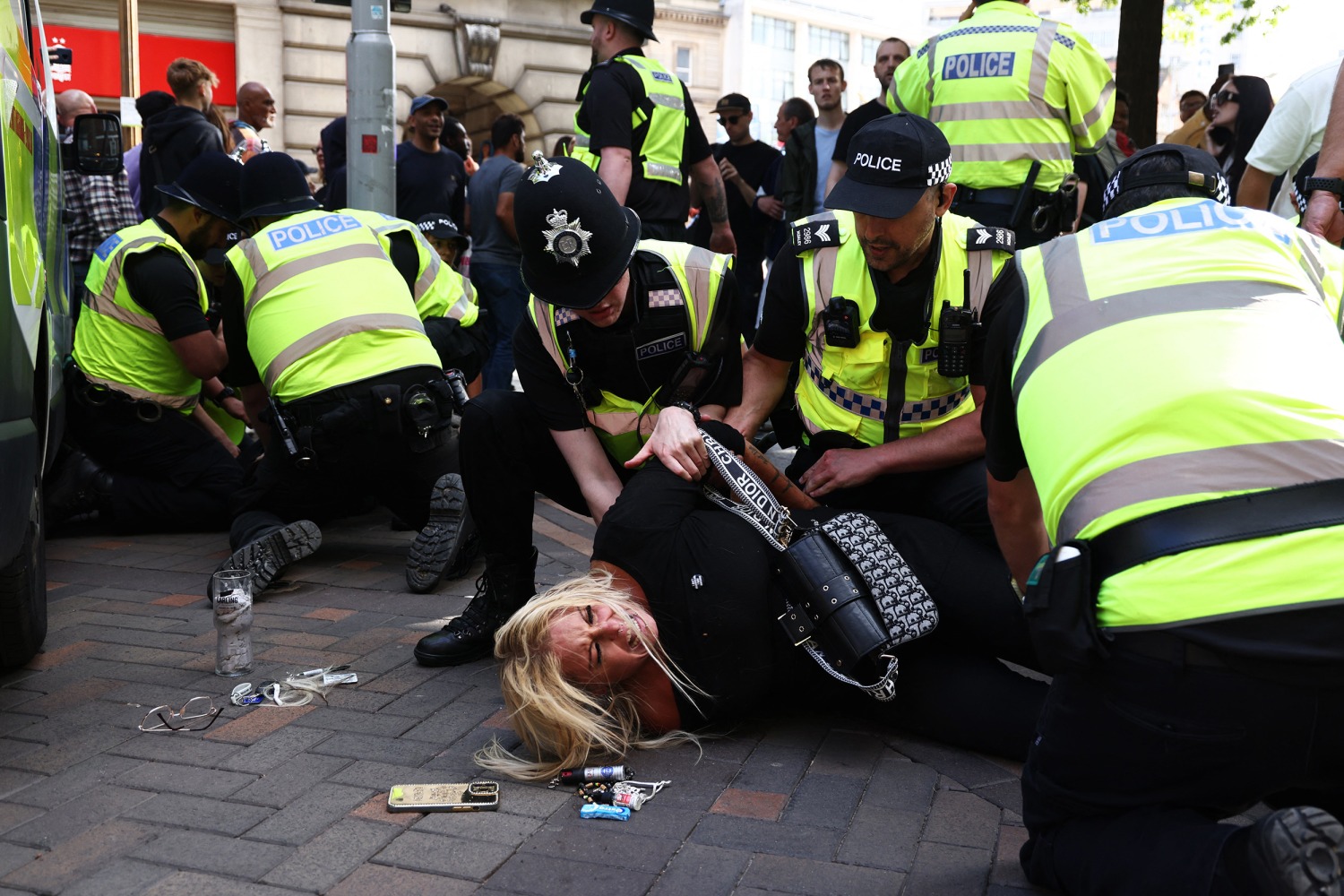
That historical memory matters.
It feeds the suspicion that leaders often avoid hard truths until public anger becomes uncontainable, and by then the damage has already spread through communities, institutions, and the national mood.
So this is not just a conversation about migration numbers.
It is a conversation about whether the British state can still act like a state, whether the media can still report without obvious distortion, and whether the public is being asked to normalize something it never truly consented to.