Britain is preparing for a far more dangerous phase in the conflict surrounding Russia’s war machine, and the implications reach far beyond sanctions, speeches, or diplomatic warnings delivered safely from behind lecterns.
Because this is no longer just about condemning Moscow, freezing assets, or tightening the legal screws around Russian money.
This is about direct maritime action, hard power, and the real possibility that Britain is stepping closer to confrontation on open water.
At the center of the storm is Russia’s so-called shadow fleet, the network of murky oil tankers accused of dodging sanctions, hiding ownership trails, switching names, switching flags, and moving oil that continues to fund the Kremlin’s war effort.
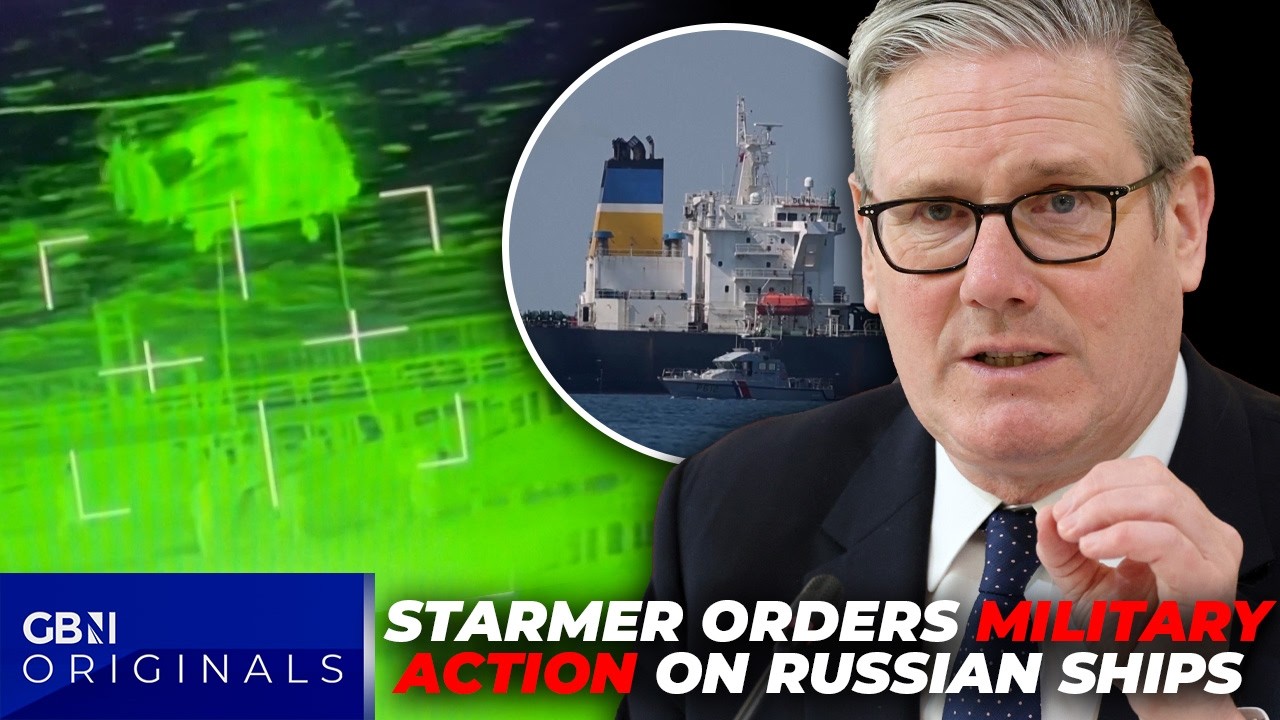
Now, under powers authorized by Keir Starmer, British forces could board, seize, and detain vessels suspected of transporting sanctioned Russian oil through waters under British control or within the reach of allied enforcement efforts.
That is a major escalation.
Not rhetorical escalation.
Operational escalation.
The kind of move that instantly raises the temperature because boarding ships at sea is not a press release, not a sanction notice, and not a television soundbite.
It is force.
It is risk.
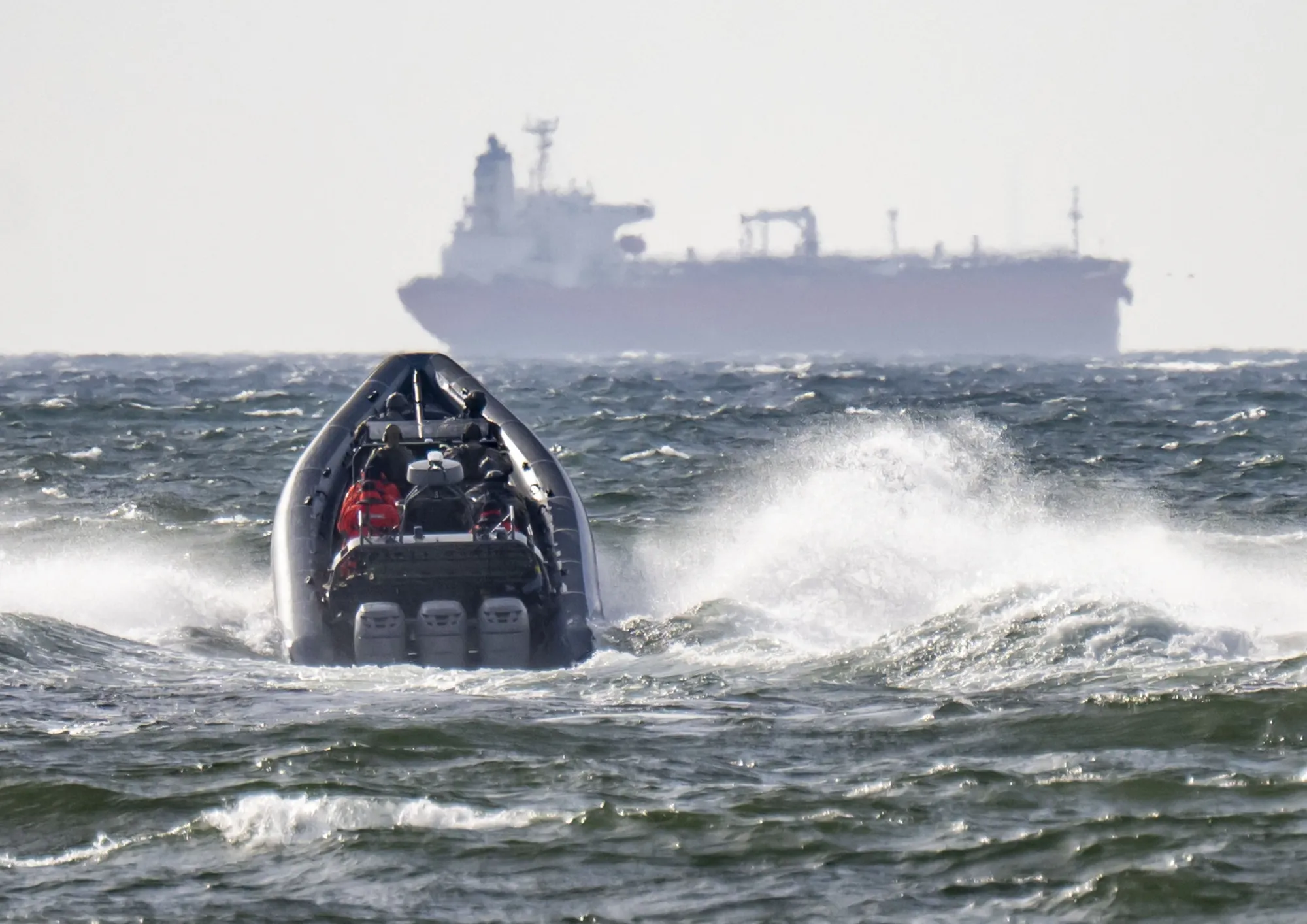
It is the state saying that sanctions evasion will no longer be treated purely as a financial crime, but as something that may now be physically interrupted by trained men arriving from helicopters or warships.
And that is where the real tension begins.
Because for all the official language about cracking down on unlawful activity, the public can already see the obvious question looming in the background: is Britain truly ready for what happens if this goes wrong.
Starmer is presenting the move as part of a wider effort to choke off illicit revenues flowing into Russia’s war economy.
In that sense, the logic is simple and politically understandable.
If oil shipments are still helping to bankroll aggression, then disrupting those shipments becomes a strategic necessity.
The Armed Forces Minister made that exact case, describing the policy as a good step forward in clamping down on illegal money feeding one of the most brutal conflicts of the modern era.
But policy logic and operational reality are two very different things.
Because once Britain authorizes interceptions, it is no longer merely supporting sanctions from a safe distance.
It is entering the unpredictable space where maritime enforcement, state interests, and military capability all collide.
And that collision matters because these are not straightforward commercial vessels operating under clean, transparent, rules-based conditions.
Many are aging tankers, sailing under flags of convenience, disabling tracking systems, changing names, and operating precisely in the grey zones where law, commerce, and geopolitical pressure blur together.
That makes every interception potentially messy.
Every boarding becomes legally complex, tactically hazardous, and politically combustible, especially if any vessel is linked directly or indirectly to Russian state interests or to actors willing to test how far Britain is prepared to go.
The environmental risk alone is serious.
These ships are widely described as old and poorly maintained, which means a forced operation in busy shipping lanes or difficult conditions could carry severe spill risks near waters where the consequences would be immediate and catastrophic.
So the question is not simply whether the shadow fleet should be challenged.
It is whether Britain possesses the maritime, legal, and logistical resilience to challenge it without triggering consequences it cannot comfortably manage.
That is where this story becomes politically explosive.
Because at exactly the same moment Britain is projecting a harder military posture, ministers are also being forced to answer accusations that the country has spent decades hollowing out its own armed forces.
The timing could hardly be worse.
The Government is talking about interception, deterrence, and maritime seriousness, while critics point to the humiliating symbolism of Britain having to rely on allied naval support and facing mounting questions over whether it can still meet the standards expected of a major European military power.
That contradiction is hard to miss.
A government that wants to sound formidable abroad is being asked why the country’s defense capabilities at home have been allowed to erode so badly that even basic readiness now fuels open embarrassment.
The Armed Forces Minister tried to answer that by invoking alliance logic.
He argued that working with allies is not weakness but strength, that Britain has operated with French and American support before, and that allied burden-sharing is the reality of serious modern defense cooperation.
That is true up to a point.
But politically, the problem remains.
Cooperation looks respectable when it is chosen from strength.
It looks rather different when voters suspect it is masking a deeper truth, that Britain is trying to look tougher than its current military posture actually allows.
This is what makes Starmer’s move so risky.
If the operations succeed cleanly, he can claim seriousness, resolve, and a willingness to confront sanctions evasion where it hurts most.
If anything goes wrong, he risks owning not just the escalation, but the exposure of Britain’s own strategic vulnerability.
And that exposure would be politically brutal.
Because Britain is already living through a period in which large parts of the public feel that the state promises control in areas where its actual capacity has been quietly weakened for years.
That pattern is visible in borders, policing, public order, and now, increasingly, defense.
The country hears the language of strength, yet repeatedly encounters the realities of overstretch, dependency, delay, and managed perception.
So this maritime crackdown will be judged not only by what it does to Russia, but by what it reveals about Britain itself.
Can it enforce.
Can it sustain.
Can it escalate carefully.
Can it endure pressure without immediately exposing just how thin key capabilities have become.