CALAIS, France — As the sun dips behind the jagged grey limestone of the Côte d’Opale, the landscape of northern France undergoes a chilling transformation. It is no longer just a transit point for the displaced or a scenic stretch for tourists; it has become the kinetic front line of a decentralized European civil conflict. Beneath the flicker of smartphone screens and high-lumen flashlights, masked figures in tactical gear now stalk the dunes of Dunkirk and Calais. These self-styled “civilian border forces,” many having crossed the Channel from Britain to conduct unsanctioned operations, represent a radical new phase of the migration crisis—one where the monopoly on border enforcement is being seized by the public.
The emergence of these vigilante patrols is a direct response to a perceived vacuum of sovereignty. For years, the British and French governments have engaged in a performative dance of “taxi boat” interceptions and maritime boat-slashing, yet the numbers of successful crossings remain stubbornly high. In 2025 alone, over 30,000 individuals made the perilous journey across the world’s busiest shipping lane. To the activists patrolling the sand, the official policy is not a failure of resources, but a failure of will. They frame themselves as “modern-day patriots” filling a gap left by a metropolitan elite they believe has abandoned the concept of a national border.
The French Interior Ministry has attempted to quell the movement by banning high-profile activists, citing the risk of “serious disturbances to public order.” But in the inverted logic of the digital age, these bans have acted as an accelerant. On platforms like X and Telegram, the state’s crackdown is portrayed as proof of a “broken system” protecting “irregular arrivals” while penalizing its own citizens. Every livestream of a confrontation—often featuring high-contrast footage of masked men searching for hidden dinghies—triggers a fresh surge of crowdfunding and a “Streisand Effect” that pushes the content to the top of global newsfeeds.

On the ground, the atmosphere has turned poisonous. Local aid organizations report a climate of “heightened fear and intimidation” that is beginning to paralyze humanitarian efforts. Volunteers describe finding water tanks vandalized and facing harassment while providing basic necessities to those huddled in informal camps. To the aid workers, these masked groups are a terrifying resurgence of far-right vigilantism; to the supporters watching from home, the aid workers are “enablers” of a humanitarian crisis that is eroding social cohesion in coastal communities.
The psychological impact of this “unfiltered truth” cannot be overstated. When official news broadcasts feel sanitized or distant, the raw, chaotic footage captured on a smartphone feels more authentic to a public hungry for reality. This shift in media consumption has permanently altered political narratives. The movement is not led by career politicians in suits but by individuals in high-visibility vests who speak the language of the internet. Their ability to mobilize thousands and bypass traditional media gatekeepers has become a primary headache for intelligence services across Europe.
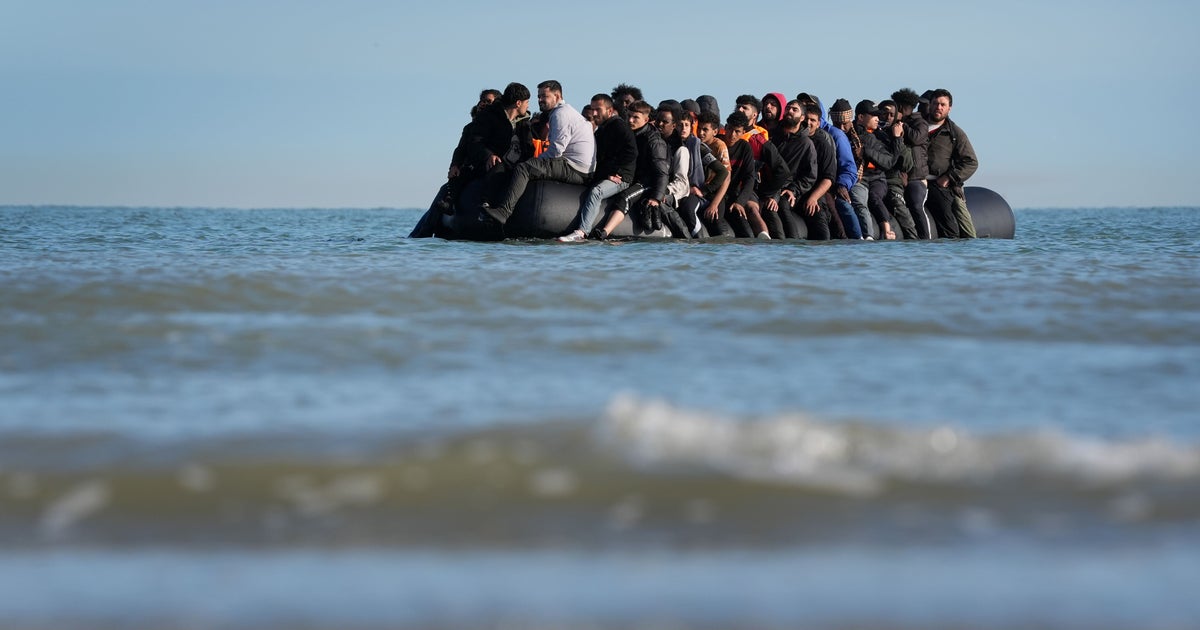
The practical stakes of this standoff are life and death. The English Channel is a graveyard of “small boats,” often overloaded and ill-equipped for the 21-mile crossing. The presence of aggressive civilian “patrols” adds a layer of extreme risk to an already life-threatening journey. Authorities fear a “flashpoint” event—a moment where a beach confrontation turns into a genuine tragedy. Every night, as dozens of boats push off into the darkness, the dunes become a chessboard where a single miscalculation could ignite a diplomatic and humanitarian catastrophe.
French police slash inflatable migrant boat heading to UK
Beneath the physical standoff is a profound “information war.” AI-generated imagery and out-of-context video clips are weaponized by actors on all sides to manipulate public emotion. For the ordinary citizen, discerning reality from political theater has become nearly impossible. This confusion serves the populist narrative, fostering a deep-seated distrust of any official “fact-check” or government statement. The “truth” in 2026 is no longer what happened, but what was captured on a livestream and shared 100,000 times.
The crisis has also exposed a massive rift between the urban centers and the coastal towns that bear the brunt of the migration flow. Residents in port towns often feel their concerns about crime, infrastructure, and social strain are dismissed as “bigotry” by a metropolitan elite living far from the dunes. This feeling of being ignored is the engine of the current populist surge. To these communities, the masked figures on the beach are not a threat to democracy, but a desperate attempt to reclaim a sense of local security and identity.
As the “crossing season” peaks with the improving weather of mid-2026, the intensity of these interventions is expected to reach an all-time high. The British government remains under immense pressure to “stop the boats,” but legal and diplomatic hurdles remain daunting. Every failed deportation or successful crossing is seen as a victory for the vigilante narrative. Social media giants, caught in the middle, struggle to moderate content that sits in the gray area between “citizen journalism” and “incitement to violence,” often profiting from the very controversy they claim to abhor.
UK and France to agree migrant return deal to tackle Channel crossings – reports | The Independent
Ultimately, the chaos on the French beaches is a symptom of a deeper crisis of confidence in the institutions of modern democracy. When people no longer believe their government can protect its borders, they look for alternative, decentralized solutions. Whether this lead to a genuine policy shift or a catastrophic breakdown of law and order is the question that currently defines the future of Europe. The images of masked figures are more than a viral sensation; they are a visual representation of a society that has lost its consensus.
As we move deeper into 2026, the border will serve as the ultimate test for the political establishment’s survival. If they cannot regain control of the narrative and the shoreline, the “civilian volunteer” may become a permanent, militarized fixture of the European landscape. The clock is ticking, the cameras are rolling, and the public is waiting to see who will blink first in this high-stakes game of political chicken. The middle ground has disappeared, replaced by a “war zone” mentality that views every event through a strictly partisan lens.
Vigilantes show French cops can stop the boats, but just don’t want to | UK | News | Express.co.uk