Britain’s deepest political problem may not be what happens in front of the cameras, but what happens behind them, because more and more people suspect the country is really being steered by officials nobody elected and almost nobody can name.
That suspicion is becoming politically explosive for one simple reason: when ministers sound hollow, Parliament sounds staged, and government language sounds preloaded with slogans, the public naturally starts asking who is actually writing the script underneath it all.
This is where faith in the system begins to decay, because democratic legitimacy depends not only on elections, but on the belief that elected representatives are genuinely directing policy rather than merely reciting lines prepared by an insulated administrative machine.
For many citizens, that belief is rapidly collapsing, especially when they watch committee hearings, departmental sessions, and parliamentary exchanges that reveal senior officials talking fluently in polished abstractions while struggling to answer the most basic concrete questions.
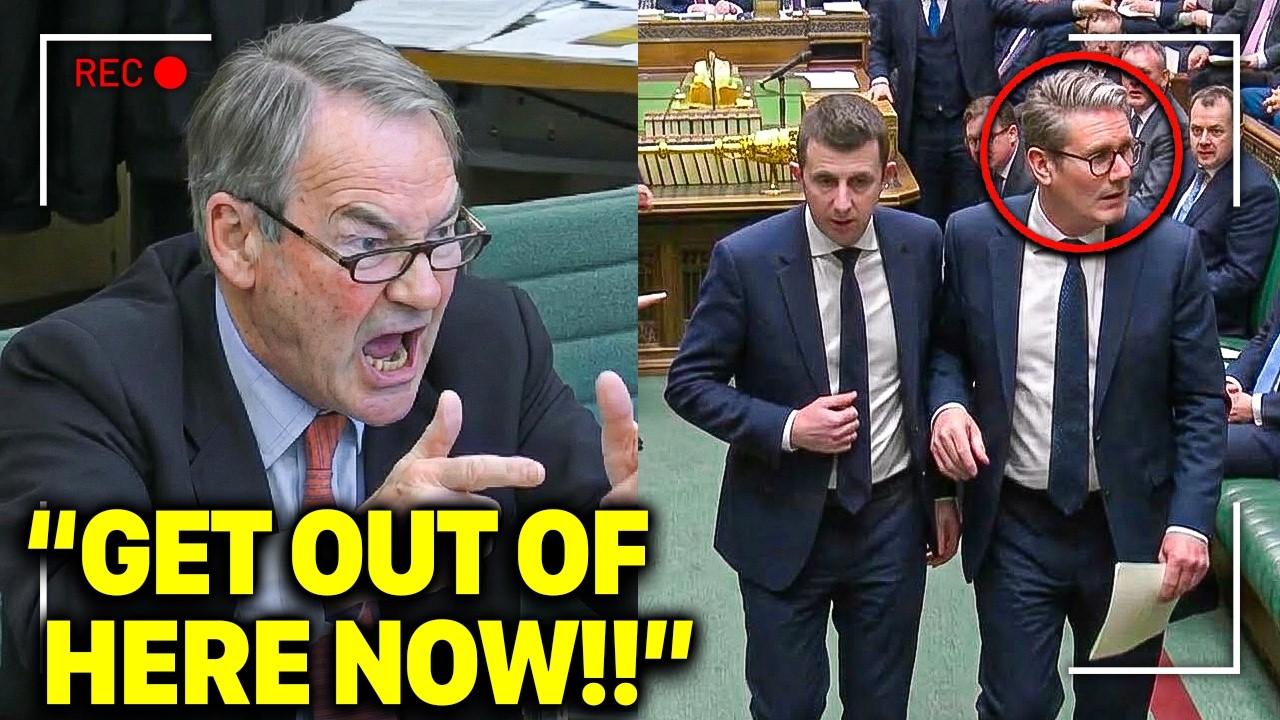
That contrast is devastating, because the public can tolerate complexity far more easily than it can tolerate emptiness, and nothing looks emptier than a senior official overseeing huge budgets who cannot clearly define success in measurable terms.
This is why so many people now recoil at phrases like “regulating for growth,” because the language sounds clever enough to survive a press release, yet falls apart the moment someone asks the obvious question: what exactly does that mean in practice?
A serious department should be able to answer that instantly, because if growth is the stated goal, then the benchmarks, targets, trade-offs, and measurable outcomes ought to be clear not only internally, but also to the taxpayers funding the entire operation.
When those answers do not come, the problem looks larger than one official having a bad day, because it suggests a whole governing culture that has become far more comfortable generating vocabulary than generating results, far more skilled at framing than delivering.
That is the real scandal inside modern government, not simply waste, delay, or incompetence in isolation, but the rise of a managerial class that often appears insulated from consequence while exercising immense practical influence over sectors it may barely understand from experience.
The public senses this instinctively, which is why moments of genuine scrutiny travel so well, because people are starved of the rare sight of someone cutting through the fog, refusing the jargon, and demanding a number, a standard, or a clear definition.
That kind of questioning feels radical now only because accountability has become so thin elsewhere, with too many hearings conducted as choreographed exchanges in which officials survive by sounding composed rather than by proving they grasp the task they are paid to perform.
This is where the unelected engine of the state becomes politically dangerous, because if the real power lies in permanent offices, advisory structures, and regulatory networks beyond direct public recognition, then elections begin to feel thinner than citizens were promised.

Of course, every modern state needs experienced officials, institutional memory, and administrative continuity, but continuity becomes a problem when it hardens into a class of people effectively too obscure to be known, too entrenched to be challenged, and too buffered to fail visibly.